
How Is Preston’s Local Economy Evolving Through Community-Driven Business Growth?
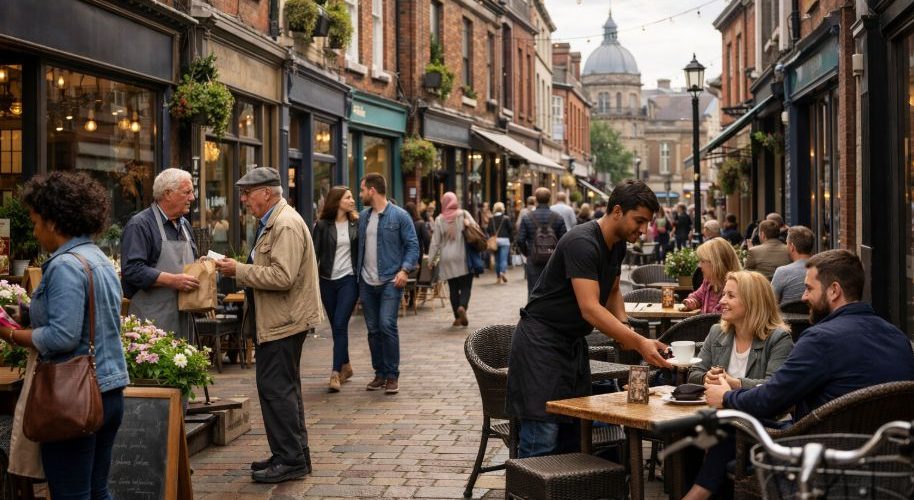
Preston’s local economy is quietly transforming, driven not by headline-grabbing megaprojects but by community-led business growth, independent enterprise, and digital-first local reporting.
Across Lancashire, Preston has become a case study in how regional cities can balance heritage, regeneration, and modern entrepreneurship without losing their identity. From independent retailers and service providers to property trends and council-backed initiatives, the city’s economic momentum is increasingly shaped at street level.
This article explores how Preston’s business ecosystem is evolving, what is driving sustainable growth, and why local insight plays such a crucial role in shaping commercial confidence across the region.
What Defines the Current Shape of Preston’s Local Economy?

The present shape of Preston’s local economy is best understood as resilient rather than explosive. Unlike cities dependent on a single dominant industry, Preston benefits from a mixed economic base that includes education, healthcare, retail, professional services, and public sector employment.
The presence of major employers such as the University of Central Lancashire has created long-term stability, while smaller independent businesses continue to fill gaps in retail and service demand.
Economic activity in Preston is increasingly decentralised. Instead of relying solely on city-centre footfall, many businesses now operate hybrid models that blend physical presence with digital reach. This has allowed local firms to withstand wider economic pressures such as inflation, changing consumer habits, and post-pandemic restructuring.
Why Are Independent Businesses So Central to Preston’s Growth Story?
Independent businesses play a disproportionately important role in Preston because they are deeply embedded in the local supply chain. From tradespeople and hospitality operators to consultants and digital service providers, small enterprises recycle money within the local economy far more efficiently than national chains.
These businesses are also more responsive to local demand. When consumer behaviour shifts, independents adapt faster, whether by adjusting pricing, diversifying services, or adopting new technology. This agility has helped Preston avoid some of the high-street decline seen elsewhere.
Local reporting has amplified this effect by giving visibility to business openings, closures, and community concerns. Coverage found through platforms such as the Preston Blog has become an informal economic barometer, reflecting real-world trading conditions rather than abstract economic statistics.
How Does Local Media Influence Business Confidence in Preston?
Local media directly influences business confidence by shaping perception. When traders, investors, and residents see consistent, factual reporting on planning decisions, regeneration projects, and commercial trends, uncertainty reduces.
In Preston, local business owners often rely on hyper-local reporting to understand:
- How council decisions may affect footfall or parking
- Which developments could change rental demand
- Where infrastructure upgrades may unlock new opportunities
This form of information flow supports decision-making at a micro level. Rather than reacting late to policy or market changes, businesses can plan proactively, reducing risk and supporting longer-term stability.
Which Economic Sectors Are Showing the Most Resilience in Preston?
While no sector is immune to economic pressure, several areas within Preston have demonstrated notable resilience over recent years. Professional services, education-linked enterprises, healthcare support services, and home-improvement trades have all maintained steady demand.
Key areas supporting Preston’s economic stability include:
- Service-based businesses less reliant on discretionary spending
- Trades linked to housing maintenance and retrofit
- Education-adjacent services connected to student demand
- Local logistics and essential retail
These sectors benefit from predictable demand cycles, making them less vulnerable to sudden downturns. Their success also feeds secondary growth, supporting employment, supplier networks, and consumer confidence.
How Is Regeneration Affecting Small Businesses in Preston?
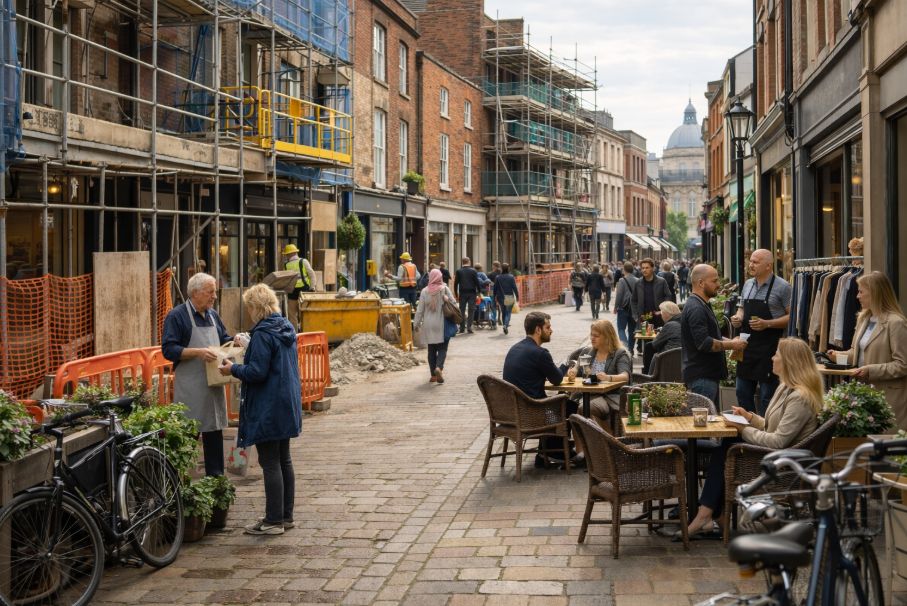
Regeneration brings both opportunity and disruption. In Preston, infrastructure improvements and redevelopment schemes have enhanced long-term commercial appeal, but short-term impacts such as roadworks, altered footfall, and rising rents can strain smaller operators.
Businesses located near regeneration zones often experience an adjustment period. Those that survive the transition tend to benefit from improved surroundings, better transport links, and increased visibility. However, success depends heavily on communication businesses that understand timelines and council strategy adapt more effectively than those left in the dark.
This is where detailed local reporting becomes essential, bridging the gap between policy announcements and real-world business impact.
What Do Local Property Trends Reveal About Business Confidence?
Commercial and residential property trends offer a useful lens into Preston’s economic health. Rising interest in mixed-use developments, small office conversions, and flexible workspaces suggests cautious optimism rather than speculative growth.
Before looking at structured data, it’s important to understand that property movement reflects expectations. When investors commit capital, they are effectively voting on the city’s future stability.
Below is a structured snapshot of how property trends connect to business confidence.
Preston Property Trends and Economic Signals
| Property Indicator | What It Suggests About the Local Economy |
| Steady retail rents | Sustainable demand rather than overheating |
| Growth in HMOs | Continued student and young professional demand |
| Office space repurposing | Shift toward flexible and service-based work |
| Renovation activity | Long-term confidence in local asset value |
These patterns indicate gradual, considered growth rather than boom-and-bust cycles. For local businesses, this environment encourages cautious expansion rather than aggressive risk-taking.
How Are Digital Platforms Changing the Way Preston Businesses Operate?
Digital platforms have lowered entry barriers for Preston-based businesses, allowing them to compete beyond geographic limits. From online booking systems to local SEO and social media marketing, even traditional trades now rely on digital visibility.
However, the most effective businesses blend digital tools with local trust. Customers still value proximity, accountability, and reputation qualities reinforced through local awareness rather than national advertising.
This hybrid approach has allowed Preston businesses to maintain local loyalty while expanding reach, supporting sustainable revenue streams without losing community identity.
What Challenges Still Limit Economic Growth in Preston?
Despite positive momentum, challenges remain. Rising operating costs, skills shortages in certain sectors, and uneven regeneration benefits continue to affect growth potential.
Some smaller businesses struggle with:
- Energy and rent increases
- Access to skilled labour
- Limited funding awareness
- Navigating planning and licensing requirements
These pressures disproportionately affect independents, reinforcing the importance of local support networks, transparent reporting, and practical guidance.
What Does Preston’s Economic Model Suggest for Other UK Cities?
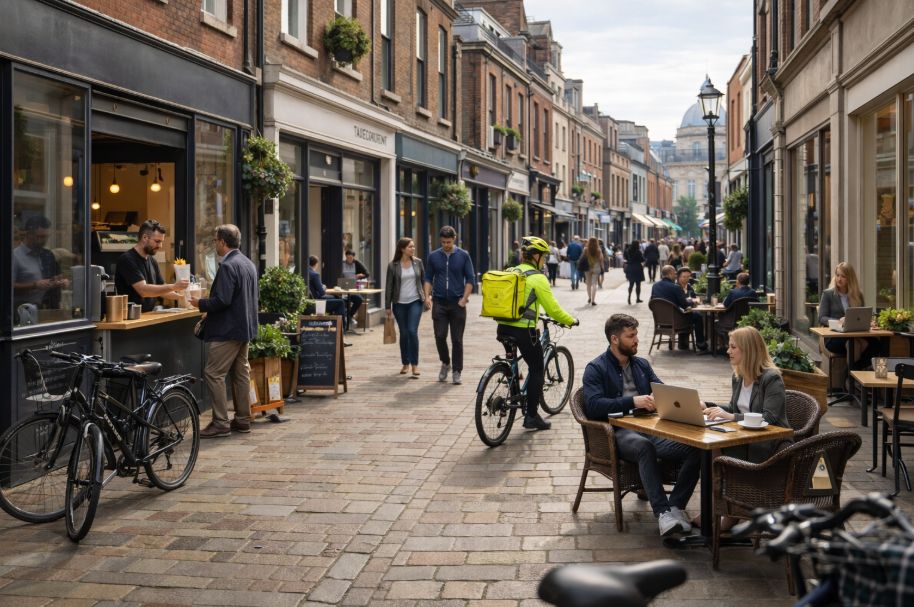
Preston’s experience offers lessons for similar UK cities navigating post-pandemic recovery and cost-of-living pressures. Rather than chasing rapid expansion, Preston demonstrates the value of steady, community-anchored growth supported by local enterprise and informed public discourse.
Cities that invest in transparency, support independents, and maintain open channels between businesses and decision-makers are more likely to sustain long-term stability even during national uncertainty.
Conclusion
Preston’s local economy is evolving through incremental, community-driven progress rather than dramatic transformation. Independent businesses, informed local reporting, and balanced regeneration have combined to create a resilient commercial environment rooted in local needs.
While challenges remain, Preston’s approach highlights how regional economies can grow sustainably by prioritising communication, adaptability, and trust.
For UK cities seeking stability over speculation, Preston offers a practical blueprint for business-led economic resilience.